Who Owns Your Attention?
How much does your attention cost? It may seem like a strange-sounding question, but companies such as Instagram and TikTok profit by putting a price tag on your attention. With each scroll, glance, and tap on an advertisement, your attention is being bought and sold. If companies are paying for your attention, shouldn’t you get to decide how to spend it?
It is easy to lose track of time.
I struggled with attention during my first year of college. During that time, my focus was in the power of the algorithms designed to get and keep my attention. I would tell myself I would just spend a few minutes on my phone in the middle of doing schoolwork. A few videos couldn’t hurt, could they? But then five videos would turn to ten, and ten would lead to 30, and before long, I had wasted 45 minutes browsing through videos that I would not even recall the next day. When I was finally back to reality, I realized I had barely made progress on my work.
The worst part? Since I had wasted my study time, I now had to push back the time I had set aside to relax. Instead of relaxing at the end of the night, I was scrambling to get my work done, rushed and exhausted.
I knew something had to change. I began to reflect on what I had learned about attention in my first-year neuroscience classes. Attention is a skill. Like any skill, I was confident it could be improved with practice. I began to think about attention differently, and that made a huge difference in my approach to doing schoolwork.
Attention is like a flashlight.
You can think of your attention as a flashlight in a dark room. Your attention goes wherever you point the flashlight. The problem is that you are not the only one trying to control the beam. Technology companies are competing to redirect the light by using notifications, autoplay, and infinite scroll features to keep your attention on their content rather than where you want it to go.
Research suggests that notifications and likes act as a digital reward system that conditions your brain to come back repeatedly. The longer you spend being distracted, the less time you have to focus on what should be most important to you, such as acing your next test, practicing your sport, or hanging out with your family and friends.
How to train your attention:
Attention can be trained. Similar to how you can strengthen muscles through exercise, training attention requires consistency and effort.
1. Build your focus endurance.
Sustained attention is like distance running—at first, it feels impossible to continue without rest, but then your endurance develops. Short study sessions using the Pomodoro Technique (25 minutes of work with a short break) are a good place to start. A research study published in 2023 found that undergraduate and graduate students from a Dutch university reported higher concentration levels and lower perceived difficulty using Pomodoro breaks. Structured breaks make study sessions more manageable. As you improve, you can build up your mental mileage to extend your focus time to 40 minutes or even 60.
2. Be aware of shifts in your attention.
Your brain is programmed to pursue novelty—and social media provides newness that makes distractions addictive. Scientists have proposed that frequent social media use taps into the dopamine system in the brain, which motivates you to anticipate digital rewards. The key to remaining attentive is to notice your desire to get distracted and combat it. The next time you feel the impulse to check your phone, pause and notice that the temptation does not require you to act. Then, refocus your attention. Research suggests that self-awareness can improve your time management abilities.
3. Change your relationship with technology.
We are fortunate to live in a time of technological abundance. However, we should be mindful of how we use technology to ensure that it benefits us. Many tools for boosting our attention are right at our fingertips. For example, apps like Forest allow you to set goals for when and how long you would like to be focused. Trees are planted in your virtual forest when you meet your goals. NYT Games can also help keep your mind (and attention) sharp with activities like Wordle and Connections. You may find that technology can help you become more attentive if you rethink how you use it.
Attention training changed me.
My study routine is quite different from what it was before. Rather than disrupt my workflow with phone time, I study in focused time blocks. I have significantly improved my focus endurance after several years of dedication and I can now work without interruption for more than an hour at a time.
Being a neuroscience student who reads extensively about memory and attention training interventions has affirmed my belief that attention is a skill that can be improved with practice. There is abundant evidence that attention can be improved by repeatedly engaging in tasks that require attention.
Who do you want to control your attention?
Attention is important for more than finishing assignments faster and meeting deadlines. It shapes who you can become and influences the impact you can have on the world around you. Whether you want to become an exceptional athlete, artist, scientist, entrepreneur, or anything else, honing your attention can help you reach your goals.
Attention is not something you either have or don’t have. It is something you can train. You can make intentional changes that help you invest your attention where it matters most. The most accomplished people are not necessarily the ones who are most talented—they are the ones who have learned to direct their attention with purpose.
So, the next time you find yourself reaching for your phone without thinking, pause for a moment and ask yourself: Who owns my attention right now? And more importantly, who should?
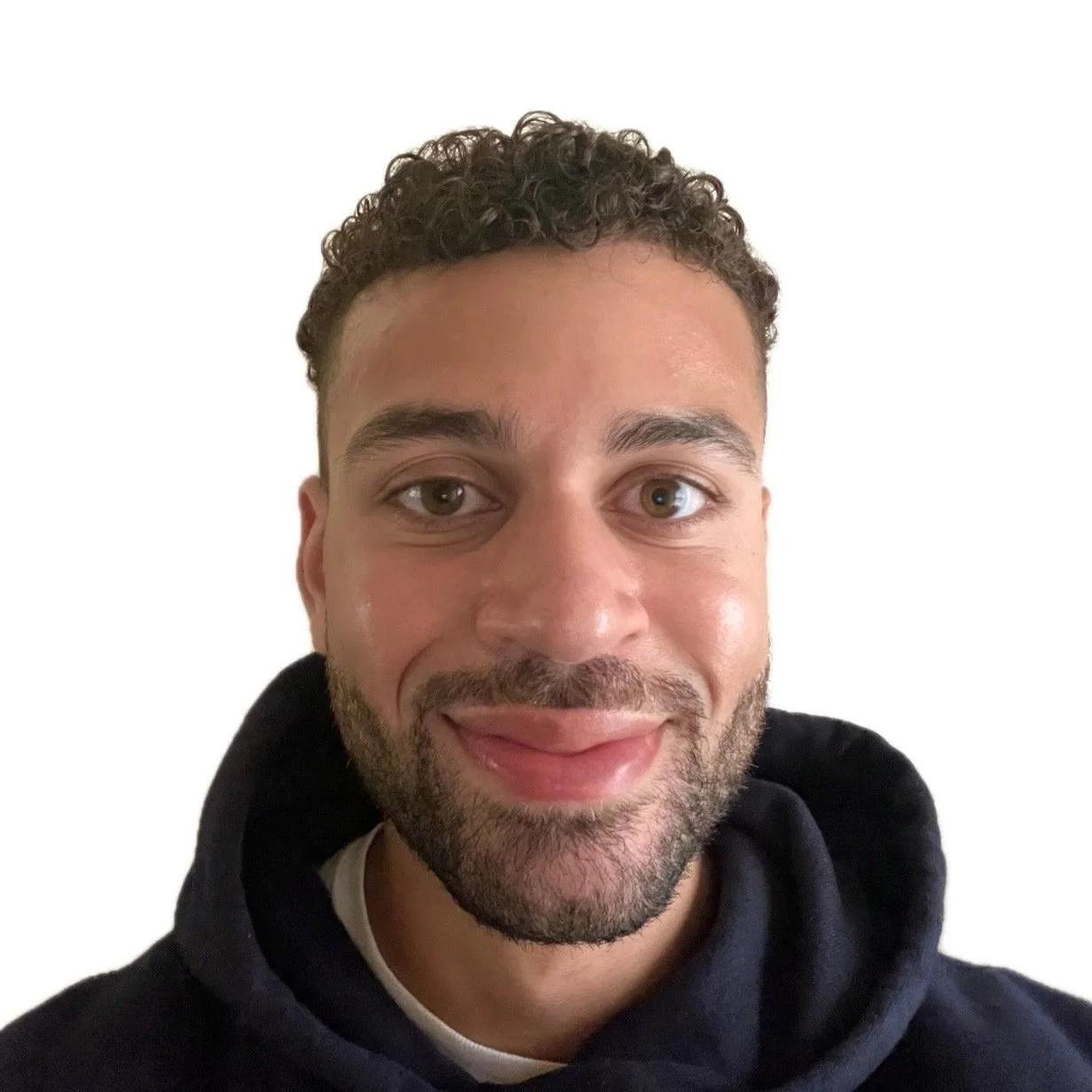
Peter Chavez is an M.Sc. student in the Neuroscience and Education program at Teachers College, Columbia University. He earned a bachelor’s degree in biology and graduated from Arizona State University with the highest academic distinction. Peter is interested in research on memory and attention, and plans to pursue a doctorate in cognitive neuroscience. He enjoys distance running and watching psychological thriller movies in his free time.
Edited by Lauren Vetere, PhD